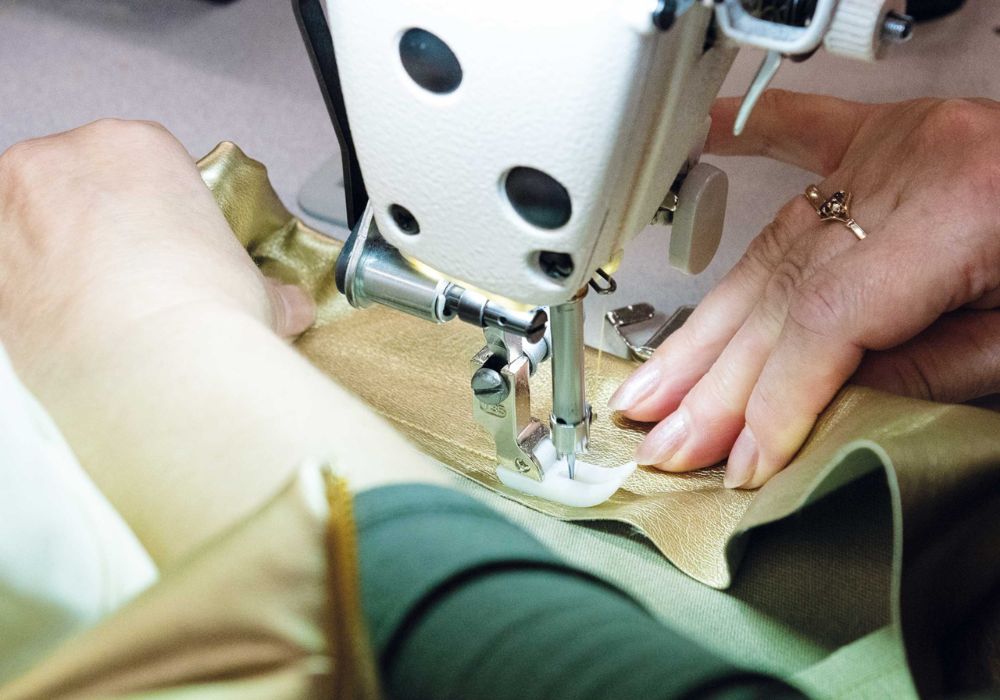
A recently published review of Operation Tacit — the largest multi-agency enforcement operation ever directed at the UK garment sector — has found that previous claims of widespread “modern slavery” in Leicester’s garment industry were significantly overstated.
What the Review Found
The report, submitted to Parliament under Section 5(1)(b) of the Immigration Act 2016, examined the results of Operation Tacit, which brought together more than ten enforcement bodies including the Gangmasters & Labour Abuse Authority (GLAA), HM Revenue & Customs (HMRC), the Health & Safety Executive (HSE), and Leicester City Council.
Although isolated breaches of labour law were identified, the review found no evidence of prosecutable offences under the Modern Slavery Act 2015 or of forced labour within the local industry.
Furthermore, the level of non-compliance with the National Minimum Wage in Leicester’s garment manufacturers was found to be lower than that seen in other parts of UK manufacturing.
Why This Matters
Industry leaders have described the report as a much-needed “myth buster”. For local factories and suppliers, reputational damage stemming from exaggerated media claims has had real consequences — including lost business and disrupted supply chains.
“This is vindication for hardworking, skilled, ethical factories in Leicester,” said ATMF Chair Jenny Holloway. “Far too many businesses were penalised by sensationalised coverage. They are owed an apology.”
What’s Next for Leicester’s Industry
The review emphasises the need to shift from blame to building a compliant, high-value, UK-based garment industry. It recommends revitalising local partnerships — such as the Leicester Labour Market Partnership and the Leicester Fashion Technology Academy — and calls on government and major retailers to back Leicester manufacturers through fairer procurement and supply-chain practices.
As the Chair of ATMF noted: “Let the UK manufacturing sector now step up. Support British producers through procurement for PPE, uniforms and beyond — and help rebuild confidence in ’Made in the UK’.”