
New research from Lloyds has revealed that adapting to changing consumer behaviour is now a top priority for nine in ten UK retailers, highlighting a major shift in how businesses must operate to remain competitive in 2026.
The findings, published in the report More Than Checkout: The Role of Payments in Retail in 2026, show that speed, convenience and flexibility are now driving forces reshaping the retail industry.
Based on a survey of 1,000 UK retail business leaders, the report found that 91% of decision-makers believe responding to evolving customer expectations is now a strategic business priority. Retailers are increasingly under pressure not only to deliver seamless checkout experiences, but also to ensure faster fulfilment, improved service and operational efficiency behind the scenes.
The message is clear: every second counts.
Today’s consumers expect frictionless shopping experiences across every touchpoint. Convenience is no longer judged solely at the checkout. Customers are evaluating the entire retail journey, including delivery speed, product availability, customer service, pricing and ease of returns.
David Thomasson, Managing Director, Business Transaction Banking at Lloyds Banking Group, said:
“UK retail is entering a phase where speed, simplicity and flexibility define competitiveness across the entire customer journey.”
While the Lloyds report focuses primarily on payments, the findings also raise important questions around sourcing and manufacturing strategies within fashion retail.
For many brands, speed to market has become critical. Consumers want trend-led products available immediately — not stock delayed in overseas transit while businesses absorb rising freight costs and supply chain disruption.
As a result, industry leaders are increasingly highlighting the importance of UK manufacturing as a solution to both speed and sustainability challenges.
Retailers producing garments closer to home can react faster to trends, reduce shipping delays and lower environmental impact, while simultaneously supporting local jobs and skills development.
One retailer championing this approach is the Debenhams Group, which continues to invest in British manufacturing through its network of UK factories.
A spokesperson for the Debenhams Group said:
“The Debenhams Group is proud to support UK manufacturing through our network of 24 factories. By manufacturing locally we enable our factory partners to invest in skilled local workforces and communities, while our on-the-ground ethical compliance team work closely with factories day to day to uphold high standards, transparency and responsible practices across our supply chain.”
At a time when ethical sourcing and transparency are under increasing scrutiny, many in the industry believe consumers should also play a more active role by understanding where their clothes are made.
Questions are now being asked around whether shoppers are paying attention to garment care labels and country-of-origin information when making purchasing decisions.
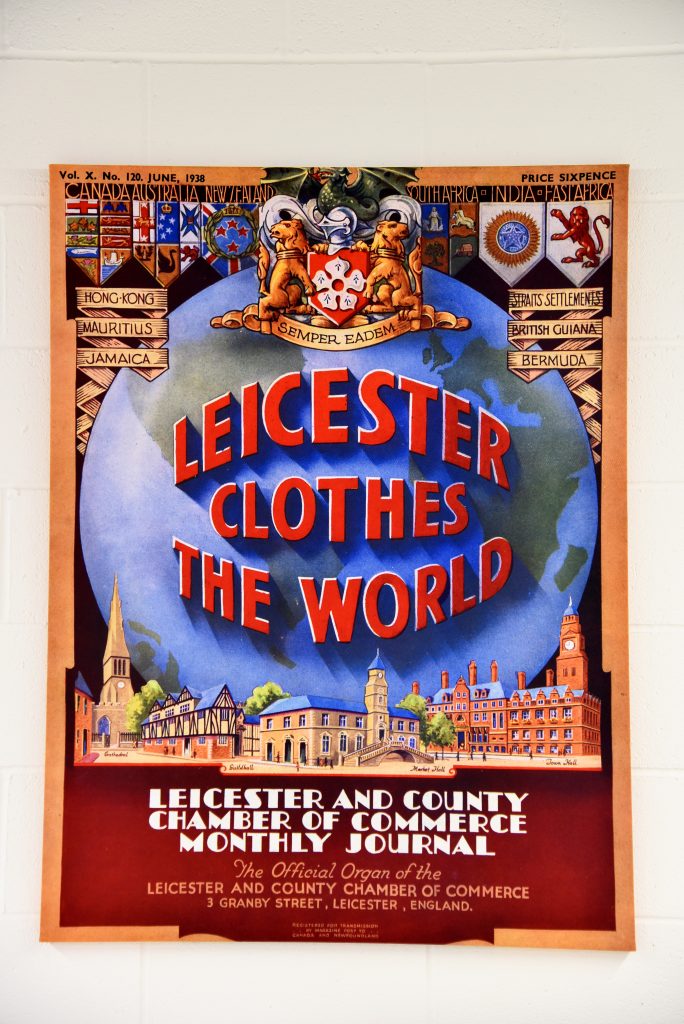
Britain has a long and proud manufacturing heritage, and advocates for UK production argue that rebuilding local supply chains could strengthen not only the economy, but also consumer confidence in the fashion industry.
As retailers continue adapting to rapidly changing consumer expectations, one thing is becoming increasingly evident: speed to market, transparency and local manufacturing may no longer be optional — they could become essential for survival in modern retail.
The full Lloyds report, More Than Checkout: The Role of Payments in Retail in 2026, is now available.