
Public procurement can often feel like an impenetrable maze for small and medium-sized enterprises (SMEs). Questions such as who the real decision-makers are, where opportunities can be found, and how smaller businesses can access major government contracts are common frustrations across the sector.
Just a month ago, during an interview with Drapers, these were exactly the concerns being discussed. The complexity of public procurement can be overwhelming, particularly for manufacturing businesses looking to secure meaningful contracts and grow sustainably.
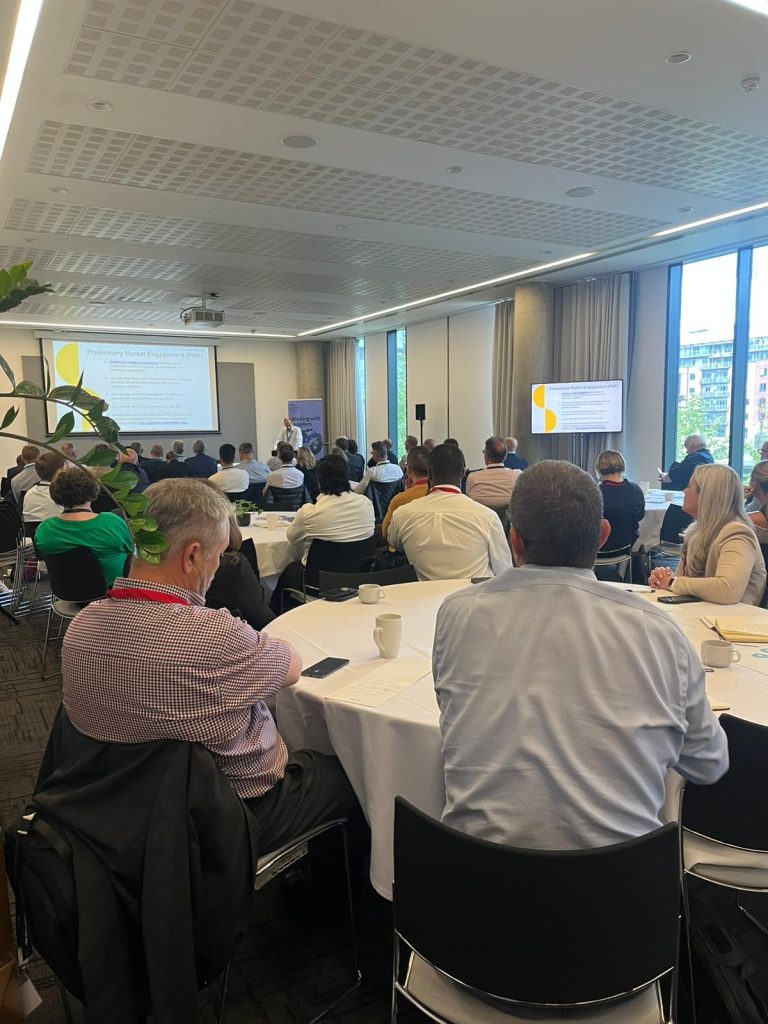
That is why attending the Government Commercial Agency event in Manchester proved to be such a valuable experience.
The event was exceptionally well organised, with a thoughtful approach to networking and engagement. Attendees were identified by colour-coded lanyards, making it easy to distinguish between SMEs, prime contractors, and public sector procurement professionals. Green lanyards represented SMEs, red identified prime contractors, and blue denoted procurement specialists and government representatives.
Throughout the day, attendees heard from a range of expert speakers who delivered presentations on procurement processes, framework opportunities, and government buying procedures. While the sector is often filled with acronyms and technical terminology, the speakers took the time to clearly explain key concepts and answer questions from attendees, making the content accessible for businesses of all sizes.
One of the most encouraging aspects of the event was learning about the significant transformation that the Government Commercial Agency has undergone following its restructuring from the Crown Commercial Service model. The newly streamlined organisation appears to have focused heavily on improving accessibility to information and creating clearer routes for suppliers to engage with public sector opportunities.
Special recognition should go to Shirley Cooper OBE, who expertly chaired the event, and Stephanie Porter, whose organisation ensured the day ran smoothly and effectively.
The quality of speakers was outstanding, with valuable insights provided by John Pearce, Maggie Berry OBE, John Dearing, Robert Vaughan, Jayne Tohill from the Ministry of Defence, and Noreen Winhall BEng CEng FICE MCIPS. Robert Vaughan’s passionate advocacy for social enterprises particularly resonated, highlighting the role that mission-led businesses can play within public procurement frameworks.
The networking session also proved extremely beneficial, providing SMEs with direct access to procurement professionals and prime contractors. These conversations are often where real opportunities begin.
However, there are several ideas that could make future events even more impactful:
Giving SMEs a Voice
Allowing SMEs a one-minute elevator pitch would help buyers and prime contractors quickly understand the capabilities and expertise available within the room.
Encouraging Consortium Bids
Many framework opportunities are worth millions of pounds and may not deliver work for several years. SMEs often need opportunities in the short term. Creating routes for consortium bids would enable smaller businesses to collaborate and compete more effectively. The Apparel & Textile Manufacturers Federation has already established a consortium model for textile products and could provide a useful framework for future procurement initiatives.
Sharing Presentation Materials
The presentations contained a wealth of useful resources and links. Providing copies of the slides to all attendees would help businesses continue their learning after the event.
Pre-Event Introductions
Allowing SMEs to submit a one-page company profile before the event could facilitate more productive meetings between suppliers and prime contractors during networking sessions.
More Events Like This
The overwhelming feedback from attendees was clear: there should be more events of this kind. They provide practical support, meaningful networking opportunities, and a clearer understanding of how SMEs can engage with public sector procurement.
For those SMEs that chose not to attend, it was a missed opportunity. As the event concluded, there were still many unused green lanyards. It serves as a reminder that while businesses often express frustration about access to contracts, opportunities to engage directly with buyers and procurement specialists must be embraced when they arise.
The immediate impact of the event was evident. Follow-up conversations began almost immediately, with meetings arranged and introductions made. A meeting with Leidos was already scheduled for the following morning, demonstrating the tangible outcomes that can result from simply being present and engaging with the process.
Public procurement remains a challenging environment for SMEs, but events like this demonstrate that progress is being made. There must be a way for smaller manufacturers and social enterprises to secure a greater share of public sector opportunities.
Fashion-Enter Ltd remains committed to finding that pathway—not only for its own business but also for manufacturers across Leicester and the wider UK textile sector.