
Who Pays? Brand Purchasing Practices in the UK
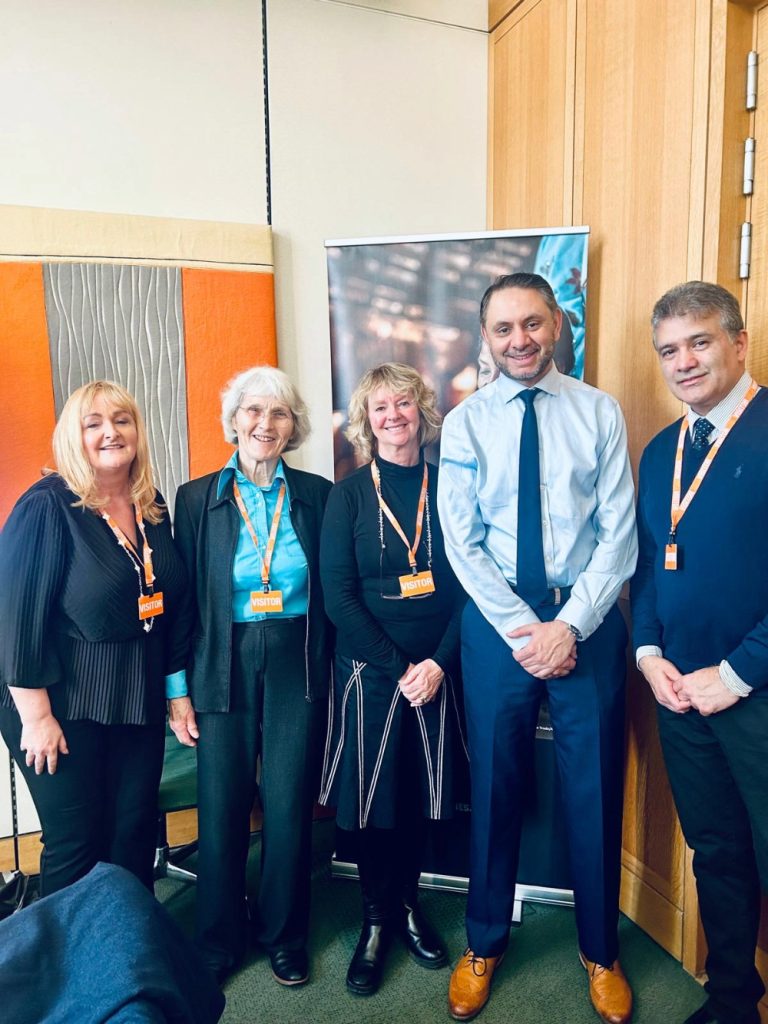
Last Wednesday, Room M at Portcullis House was filled to capacity for the launch of Who Pays? Brand Purchasing Practices in the UK. The event was hosted by Hilary Marsh in partnership with University of Nottingham and University of Leicester.
The findings, presented by Katherine O’Driscoll, were based on research with 48 UK clothing manufacturers. While the experiences shared were not surprising to those in the sector, the strength of the data provided clear and measurable evidence of ongoing unfair purchasing practices.
Key Findings
31% reported cancelled orders through no fault of their own.
78% experienced brands refusing to cover the costs of last minute changes to confirmed orders.
75% said prices were not adjusted in line with minimum wage increases.
67% quoted for large orders that were later reduced in size without unit price adjustments.
44% reported regular payment extension requests, with 10 percent experiencing delays of more than three months beyond agreed terms.
31% were penalised for late delivery when brand led changes caused delays.
29% were pressed for post contract discounts.
The imbalance of power is evident.
Many outside the fashion sector question why factories accept these conditions. The answer is straightforward. Manufacturers need consistent work to protect skilled jobs. If you value your machinists, cutters and finishers, you cannot afford long gaps in production. Purchase orders are accepted in good faith, often in the hope that the next contract will be more sustainable. Too often, that hope is not realised.
The Call for Reform
The report calls for decisive government action, including the introduction of a Garments Trading Adjudicator, modelled on the Groceries Code Adjudicator, to provide independent oversight of purchasing practices.
It also urges the adoption of a Business, Human Rights and Environment Act to embed mandatory human rights and environmental due diligence into UK law.
Hilary Marsh stated:
“This report is yet another piece of evidence of the practices that perpetuate across the global industry. Manufacturers in the UK, India, Bangladesh and elsewhere are reporting the same experiences. A Fashion Watchdog would ensure fair business practices for the sector.”
There is strong support for this recommendation. However, reform alone may not be enough.
A Strategic Opportunity
Large fashion brands continue to demonstrate instability and short term decision making. Rather than relying solely on brand reform, UK manufacturers should strengthen engagement with public sector procurement.
The Labour Party government has prioritised domestic growth and supply chain resilience. The formation of the Government Commercial Agency, merging the Crown Commercial Service and Cabinet Office commercial teams from April 2026, presents a significant opportunity.
PPE, military uniforms and corporate workwear can and should be manufactured in the UK. Public contracts offer structured payment terms, transparency and accountability that many fashion brands currently fail to provide.
Lessons from Market Instability
The recent collapse of QUIZ Clothing, now entering administration for the third time, demonstrates the risks of brand dependency. One Leicester manufacturer is reportedly owed £900,000 and may receive only a fraction of that amount. The local economic consequences have been severe.
Such exposure would be significantly reduced under stable government backed contracts.
Collective Responsibility
There is also a role for organised labour. The Trades Union Congress and Community Trade Union can help strengthen the call for fair procurement and domestic job creation.
This conversation is not only about correcting brand behaviour. It is about building a resilient UK garment manufacturing sector that values skilled work, ensures fair payment practices and supports long term economic growth.
The evidence is clear.
The opportunity is present.
Now is the time to act and create jobs.