
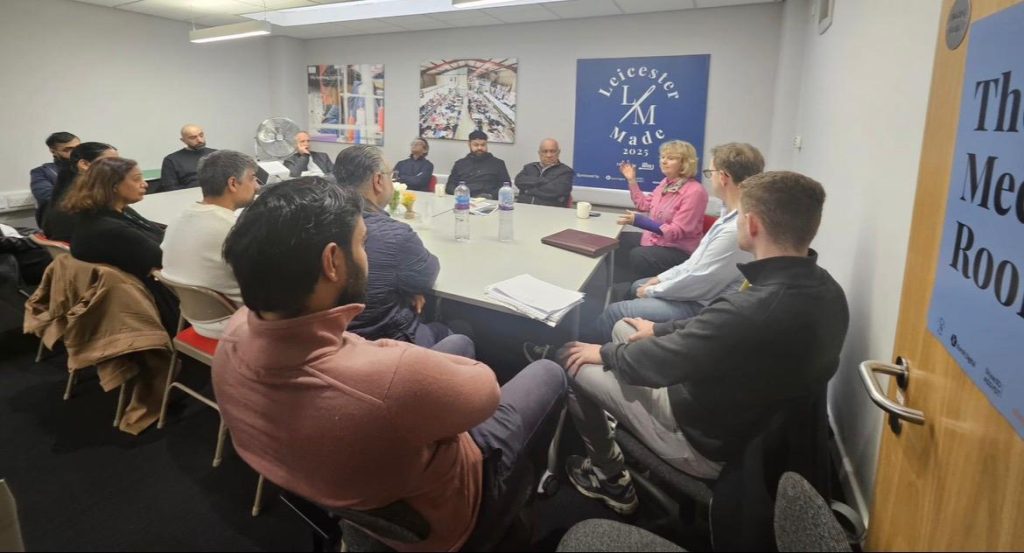
UK manufacturers are coming together in record numbers ahead of Leicester Made 2026, marking a significant step forward for the Safe Shoring movement and the future of British production.
At a recent industry meeting, more factory owners than ever before gathered to discuss opportunities, challenges, and the growing demand for transparent, UK-based manufacturing. Despite the difficulty of stepping away from daily operations, attendance highlighted a shared commitment to strengthening the sector.
Organisers described the meeting as highly productive, with several major developments announced.
Key Outcomes from the Meeting
The session delivered real progress across multiple areas:
- A £60 million first-round PQQ tender has now been submitted by a manufacturing consortium
- A new 250,000-unit order has been identified and is currently under discussion with a procurement body
- A record number of brands have confirmed attendance at Leicester Made 2026
- Development has begun on a new website to improve trust and transparency across the industry
- A strong lineup of guest speakers has been confirmed
- Ongoing engagement with trade unions and the Fair Working Agency to align with future labour standards
The message from the room was clear: the industry is shifting.
Rather than relying on offshoring or nearshoring, many brands are now recognising the benefits of Safe Shoring — a model focused on ethical production, transparency, and local capability.
A Key Moment for UK Manufacturing
With increasing pressure on global supply chains, UK factories are in a strong position to offer:
- Faster turnaround times
- Greater accountability
- Higher compliance and ethical standards
As a result, both retailers and public sector buyers are showing renewed interest in domestic production.
Industry leaders believe this is a pivotal moment to showcase what UK manufacturing can deliver at scale.
How Global Conflict Is Impacting Clothing Manufacturing
Ongoing tensions in the Gulf region are continuing to affect the global clothing industry, creating new challenges for manufacturers and brands.
Rising Energy Costs
Disruptions in oil supply can push energy prices higher. This increases:
- Production costs
- Transport expenses
- The cost of synthetic materials like polyester
Supply Chain Disruption
Key shipping routes may be affected, leading to:
- Delays in deliveries
- Increased freight costs
- Reduced reliability in overseas production
Shift Toward Local Production
As uncertainty grows, many brands are rethinking their sourcing strategies. This is accelerating demand for:
- UK manufacturing
- Shorter, more reliable supply chains
- Greater control over production
Focus on Transparency and Compliance
Global instability is also driving a stronger focus on:
- Ethical sourcing
- Supplier accountability
- Transparent production processes
These trends closely align with the principles behind the Safe Shoring movement.
Looking Ahead
With strong engagement from manufacturers, increasing brand interest, and significant commercial opportunities emerging, Leicester Made 2026 is shaping up to be a landmark event for the industry.
As global conditions continue to shift, UK factories are positioning themselves as a reliable, ethical, and competitive alternative to overseas production.
Now is the time to focus on what UK manufacturing can offer.
Register here:
https://lnkd.in/eK-dn8jG