
The UK Government has announced a significant change to the way public procurement will operate, placing greater emphasis on national security, supply chain resilience and supporting British industry. The announcement marks an important step in ensuring that government spending delivers long-term economic value while strengthening domestic manufacturing capabilities.
Every year, the UK Government spends around £400 billion through public procurement. Historically, purchasing decisions have often focused on short-term costs rather than long-term resilience. Under the new guidance, departments will now be encouraged to consider national security, sovereign capability and the strength of UK supply chains when awarding contracts in key sectors.
Alongside the new guidance, the Government confirmed that since March 2026, more than £5 billion worth of contracts have already been awarded to British-founded companies, supporting the delivery of the UK’s Industrial Strategy and creating opportunities for businesses across the country.
Supporting British Manufacturing
For UK manufacturers, the announcement represents a positive recognition of the importance of maintaining domestic production capability.
Recent global events, including supply chain disruption, geopolitical instability and rising energy costs, have demonstrated the risks associated with relying heavily on overseas suppliers. By placing greater value on UK manufacturing capacity, government procurement can help create more resilient supply chains while supporting employment, investment and skills development.
The new approach also recognises that maintaining manufacturing capability is essential to national security and economic resilience, particularly within strategically important sectors.
Opportunities Across Key Sectors
The Government highlighted several examples of contracts already supporting British businesses, including:
- Digital platforms for the Royal Air Force
- AI fraud detection technology for HMRC
- Strategic road recovery services
- Investment in AI-powered educational technology
- Procurement of electric buses and UK-produced steel through mayoral authorities
These investments demonstrate how procurement can stimulate innovation while supporting UK-based businesses.
A Greater Focus on Supply Chain Resilience
The Government will introduce dedicated Sector Leads across Whitehall to oversee procurement in critical industries and ensure national security considerations are embedded within purchasing decisions.
In addition, the Treasury will provide new guidance to departments on using procurement powers available under the Procurement Act 2023 to strengthen supply chain resilience while continuing to achieve value for money.
The Government has also published a new mission statement for the Supply Chain Centre, setting out a cross-government approach to improving the resilience of the UK’s critical supply chains.
What This Means for the UK Fashion and Textile Sector
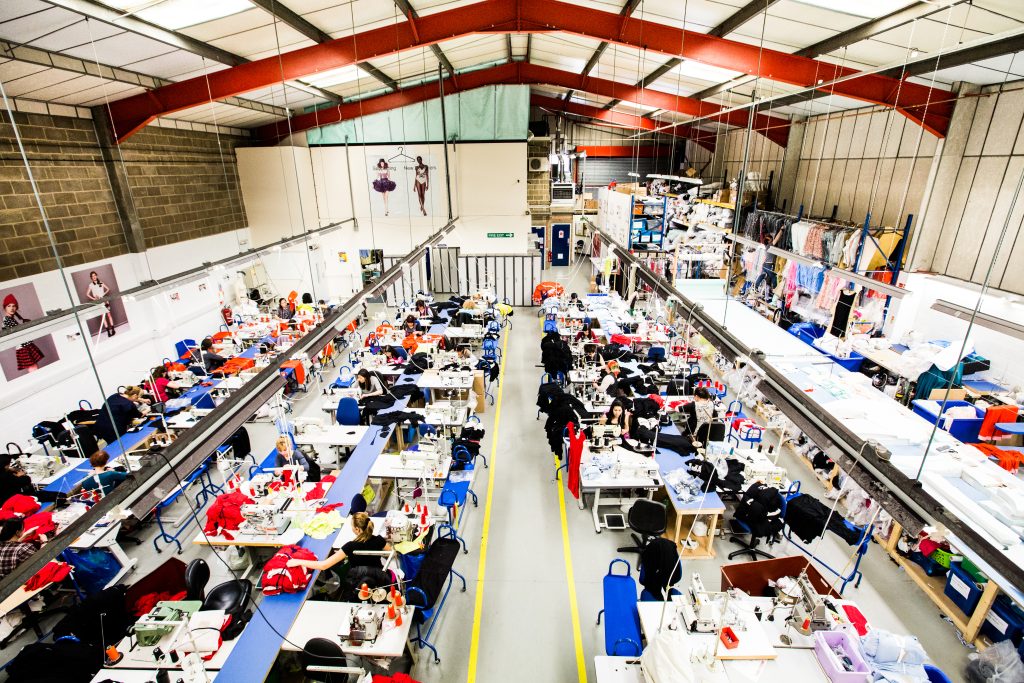
For the UK fashion and textile manufacturing industry, this announcement reinforces many of the priorities that manufacturers have consistently highlighted.
British garment manufacturers continue to face challenges including:
- Skills shortages
- Supply chain resilience
- Rising operating costs
- Investment in digital technologies and AI
- Decarbonisation and sustainability requirements
Greater recognition of UK manufacturing capability within public procurement has the potential to create new opportunities for businesses that have invested in maintaining domestic production capacity.
The ATMF Perspective
The Association of Textile, Manufacturing & Fashion (ATMF) welcomes the Government’s increased focus on strengthening UK manufacturing and supply chain resilience.
However, procurement reform alone will not solve the challenges facing the UK fashion and textile sector. Continued engagement with manufacturers is essential to ensure that funding programmes, skills initiatives and industrial strategies are developed with industry rather than imposed upon it.
ATMF continues to work directly with manufacturers, retailers, government and strategic partners to ensure that the voice of UK fashion and textile production is represented in future policy discussions.
As government procurement increasingly recognises the value of domestic manufacturing, the opportunity now exists to build stronger, more resilient UK supply chains that support economic growth, safeguard specialist skills and create long-term sustainability for the sector.